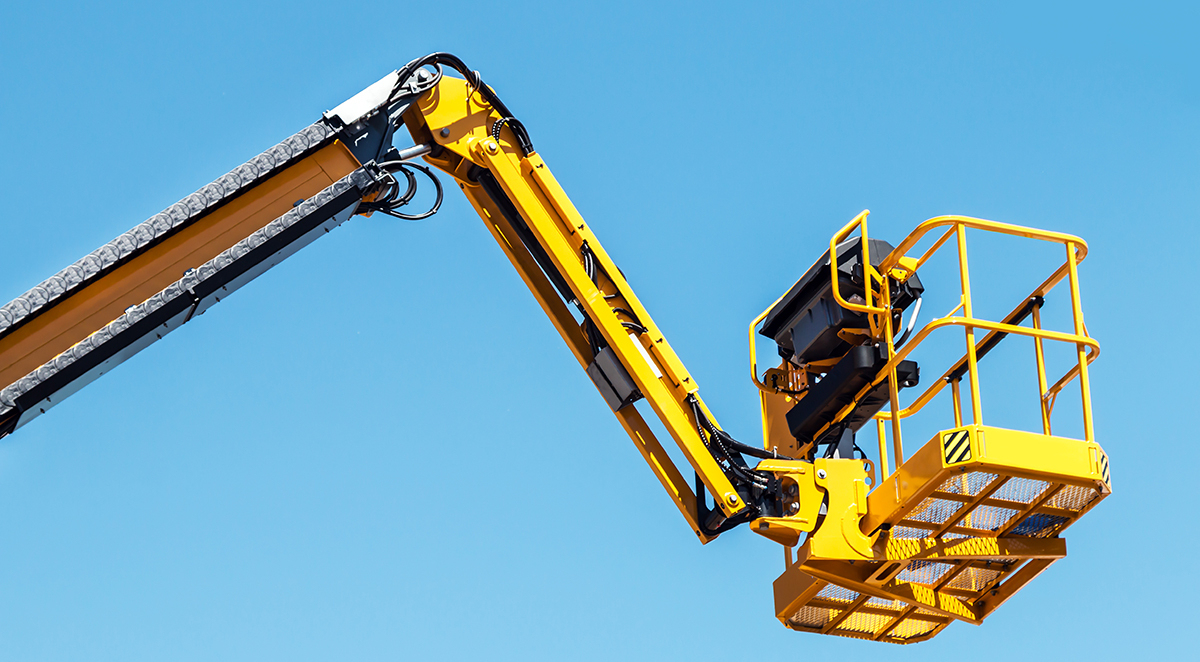
Choosing the right lifting equipment can shape the entire outcome of a project. The wrong machine slows your crew, drives up costs, and introduces safety risks, while the right one keeps work moving smoothly from start to finish. Two of the most common options people weigh are mobile cranes and boom trucks, and although they sound similar, they are built for very different kinds of work.
If you are planning a lift in North Carolina or South Carolina, understanding how these machines differ helps you ask better questions and make a confident rental decision. Below, we break down what each machine does best, where each one falls short, and how to match the equipment to your job.
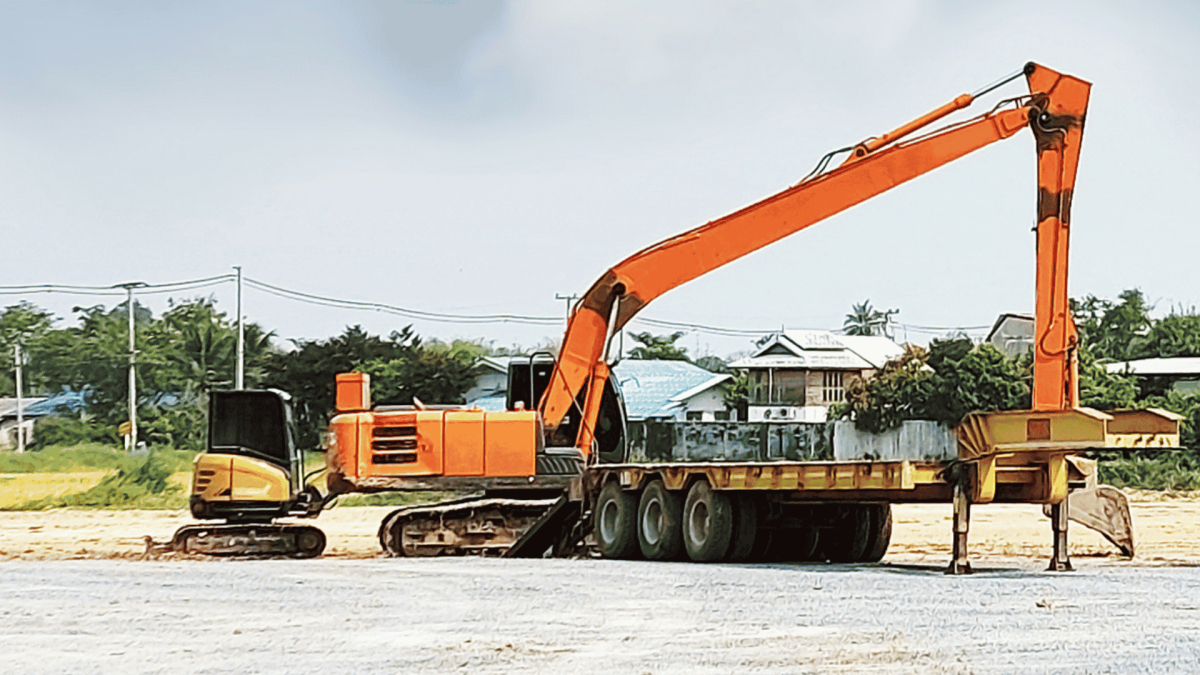
Whether you are managing a commercial construction project, coordinating an HVAC rooftop unit replacement, or overseeing a cell tower installation, proper site preparation is one of the most critical steps in ensuring a safe and efficient crane operation.
At Parker's Crane Service, we have spent over 40 years helping clients across the Carolinas prepare for crane operations on job sites of every size. In this guide, we will walk you through the essential steps you need to take before a crane arrives so that your project stays on schedule and within budget.
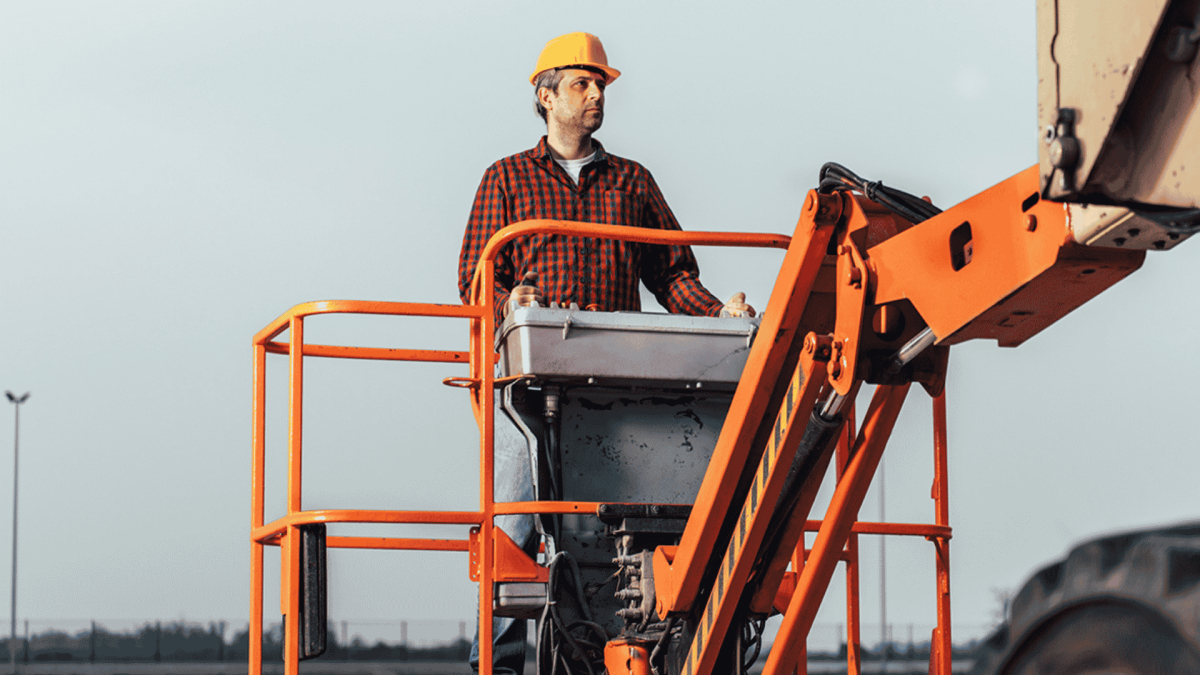
When a crane arrives on your job site, the stakes are high. These machines are powerful, capable of lifting thousands of pounds with remarkable precision, but that power demands an equally serious commitment to safety and understanding crane rental safety is essential.
At Parker's Crane Service, safety is our top concern. With over 40 years of experience serving North Carolina, South Carolina, and the broader East Coast, our team has built its reputation on completing projects safely and efficiently.
This guide covers the most important crane rental safety tips for your next project.
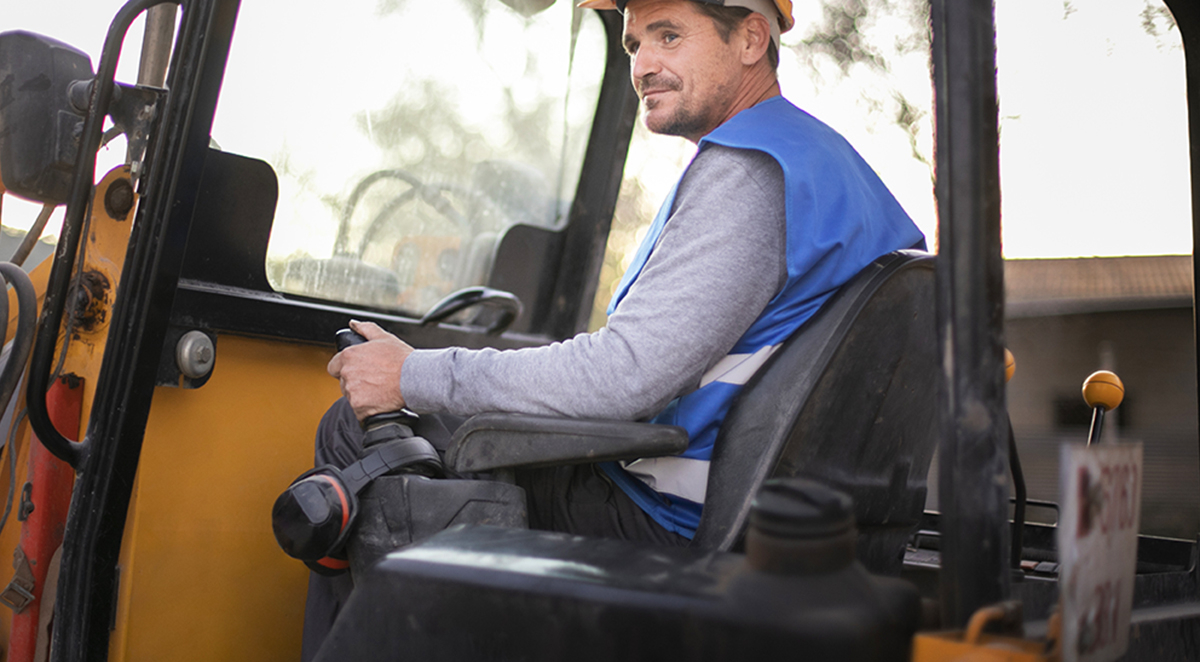
Renting a crane for the first time can feel overwhelming. There are capacities and load charts to think about, insurance questions to sort out, site conditions to evaluate, and a long list of terminology that may be unfamiliar if you have never worked with heavy lift equipment before. The good news is that the process is straightforward once you know what to expect and who to ask.
At Parker's Crane Service, we have been helping first-time renters through this process for more than four decades. We are a family-owned business based in Concord, North Carolina, and we serve industrial, commercial, residential, power, and telecommunication clients throughout the Carolinas. This guide walks you through everything you need to know before you pick up the phone, during the quoting process, and on the day of your lift.