
From 4G expansions to the ongoing rollout of 5G infrastructure across the Carolinas, cell tower projects are happening everywhere. Whether you are a telecom contractor building a new monopole, a property owner modifying an existing structure, or a site manager coordinating a tower decommission, the crane is one piece of equipment that can make or break the timeline.
A properly matched crane shapes the entire project. It can compress your schedule, and give your team the reach needed to work at heights that would otherwise require far more labor, scaffolding, or risk. At Parker's Crane Service, we have been supporting telecommunication projects throughout North and South Carolina for over four decades.

The permitting process is an overlooked aspect of crane project planning. Whether you are a general contractor coordinating a commercial build, a plant manager scheduling a heavy equipment installation, or a property owner overseeing a large residential project, the question of permits tends to surface late in the planning timeline when it really should come up first.
Permit requirements for crane operations vary considerably depending on where your project is located, what type of work is being performed, how tall the crane will be, and whether public rights-of-way or airspace are involved. Getting a clear picture of what you need before mobilization day saves time, money, and the kind of headaches that come from an unexpected work stoppage.
This post breaks down the most common permit categories that apply to crane projects in North Carolina, South Carolina, and the broader region Parker's Crane serves. It is not a substitute for consulting with your local permitting authority or a qualified crane professional, but it gives you a solid foundation for the conversation.
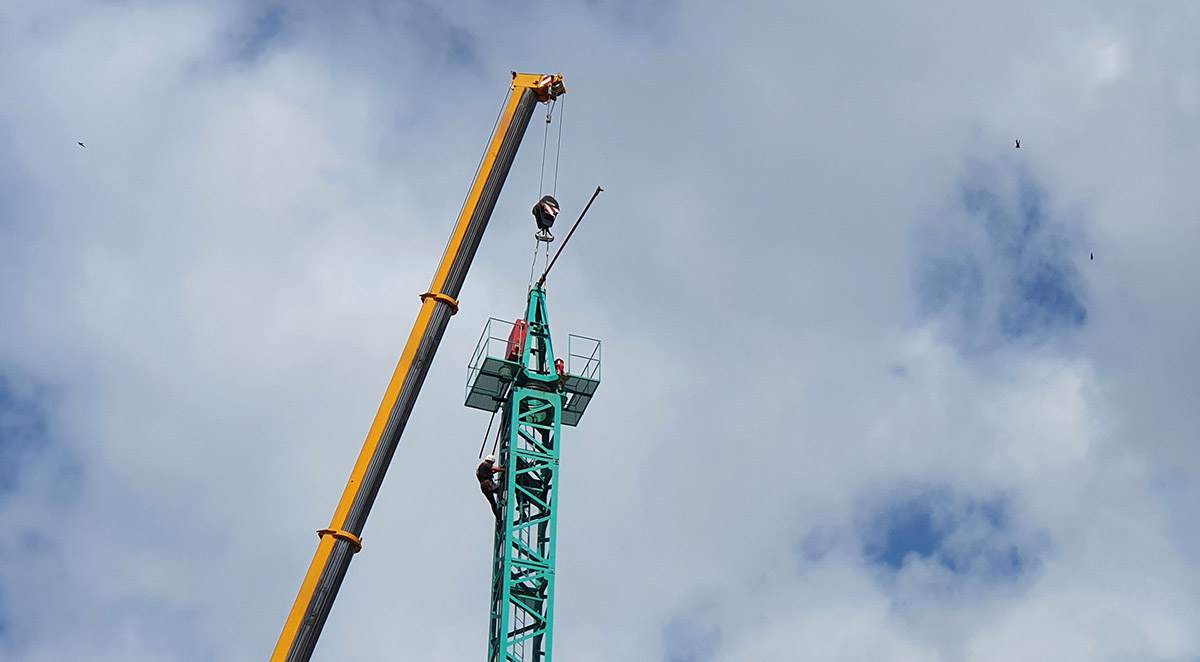
If you have been paying attention to the rapid rollout of 5G infrastructure across the Carolinas, you have probably heard the term "Massive MIMO" come up more than once. Wireless carriers, tower crews, and telecom project managers are all talking about it. Installers of Massive MIMO deployment may need to use crane and rigging, but the needs depend on a handful of project-specific variables. Let us walk through what Massive MIMO is, why it presents unique installation challenges, and when bringing in a crane service makes the difference between a smooth deployment and a dangerous or costly delay.

Planning a crane project involves much more than scheduling a crane and crew. Before a single outrigger touches the ground, there is often a layer of permitting and regulatory compliance that needs to be addressed. Missing even one required permit can shut down your job site, result in fines, and create costly delays that ripple through your entire project timeline.
The specific permits your crane project will require depend on several factors, including your job site location, the type of work being performed, how the crane is being transported, and whether the operation will impact public roadways or airspace.
At Parker's Crane Service, we have been navigating the permitting side of crane work throughout the Carolinas for over 40 years. Here is a breakdown of the permits most commonly associated with crane rental projects and what you should know about each one.