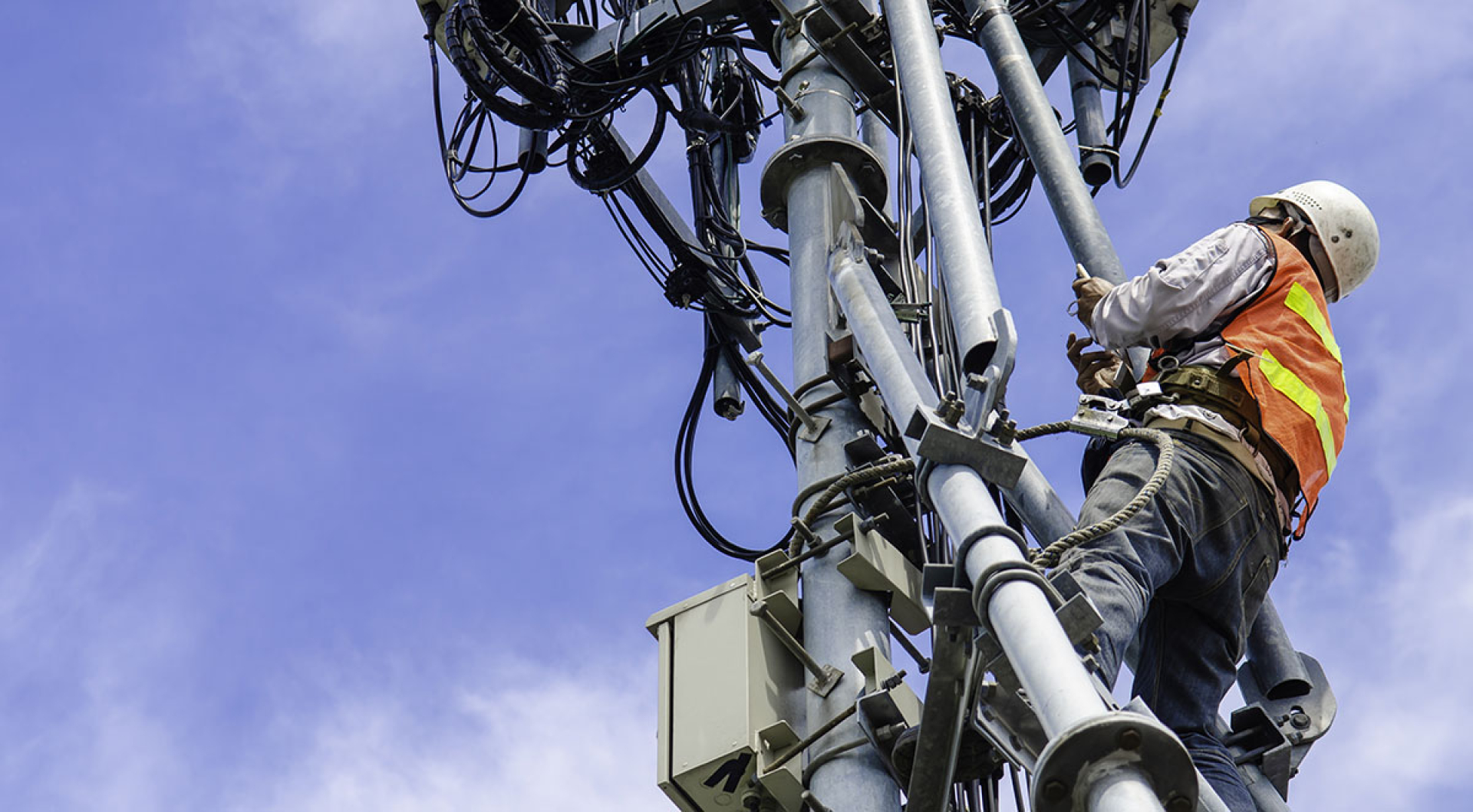
The complexity of cell tower maintenance requires careful planning, specialized equipment, and strict adherence to safety protocols. Whether you're replacing antiquated equipment, installing new antennas, or performing routine inspections, using the right crane and following established best practices can mean the difference between a successful project and costly delays or safety incidents.
Cell Tower Maintenance Requirements
Cell tower maintenance encompasses a wide range of activities, from routine inspections and equipment replacements to major structural modifications and technology upgrades. Each type of maintenance work presents unique challenges that must be addressed through proper planning and equipment selection.
Modern cell towers support increasingly complex equipment arrays, including multiple antenna systems, radio equipment, power systems, and backup generators. This equipment requires regular maintenance to ensure optimal performance and compliance with Federal Communications Commission regulations. The structural integrity of the tower itself must be maintained through regular inspections and repairs.
The height of cell towers creates obvious accessibility challenges that make crane assistance essential for many maintenance tasks. Working at heights of 100 feet or more requires specialized equipment and safety protocols that go far beyond standard construction practices. Our Grove TMS 700E and TMS 9000E cranes provide the reach and precision needed for safe, efficient cell tower access. Read more about mobile vs. tower crane rentals here.
Weather conditions significantly impact cell tower maintenance operations. High winds, precipitation, and extreme temperatures can all affect worker safety and equipment performance. Crane operations must be suspended when weather conditions exceed safe operating parameters, making weather monitoring and flexible scheduling essential components of successful maintenance programs.
Pre-Maintenance Planning and Assessment
Effective cell tower maintenance begins with comprehensive planning and site assessment. This preliminary phase establishes the foundation for safe, efficient maintenance operations while identifying potential challenges before they impact project schedules.
Pre-maintenance assessment includes:
- Tower structural condition evaluation
- Equipment inventory and accessibility analysis
- Ground conditions assessment for crane placement
- Overhead obstruction identification and clearance verification
- Site access route evaluation for crane transportation
- Utility line locations and potential conflicts
Site surveys provide critical information about ground conditions that will support crane operations. Soft soil, uneven terrain, or limited space can all affect crane selection and setup requirements. Our experienced operators conduct thorough site evaluations to determine optimal crane positioning and any necessary ground preparation work.
Access route planning ensures our crane equipment can reach your cell tower site safely and efficiently. Many cell towers are located in areas with limited access, requiring careful evaluation of road conditions, bridge capacities, and turning radii. This planning phase helps prevent delays and additional costs associated with transportation challenges. Read our blog post all about the costs of crane rental here.
Equipment Selection for Cell Tower Work
Selecting the appropriate crane for cell tower maintenance depends on multiple factors including tower height, equipment weight, site accessibility, and specific maintenance requirements. Parker's Crane Service maintains a diverse fleet of mobile cranes specifically suited for telecommunications work.
Our Grove GMK5150L provides exceptional lifting capacity and reach for larger cell tower projects. With a maximum tip height of 318.2 feet and 175-ton lifting capacity, this crane can handle the most demanding cell tower maintenance requirements while providing the precision needed for delicate equipment installations.
For medium-height towers and routine maintenance work, our Grove TMS 700E models offer excellent versatility and maneuverability. These 50-60 ton capacity cranes provide boom lengths from 36 to 110 feet with a maximum tip height of 212 feet, making them ideal for many standard cell tower maintenance applications.
Key equipment selection factors include:
- Tower height and required working radius
- Equipment weight and lifting capacity requirements
- Site accessibility and ground conditions
- Duration of maintenance work
- Weather conditions and seasonal considerations
- Local permitting and regulatory requirements
Safety Protocols and Risk Management
Cell tower maintenance using cranes involves multiple safety considerations that require comprehensive risk management protocols. The combination of height, heavy equipment, and complex work environments creates potential hazards that must be carefully controlled through proper procedures and equipment.
Our safety program begins with thorough job hazard analysis for each cell tower maintenance project. This analysis identifies potential risks and establishes specific control measures to mitigate those risks. All personnel involved in the project receive detailed safety briefings covering identified hazards and required safety procedures.
Comprehensive safety protocols include:
- Pre-lift safety meetings and hazard communication
- Personal protective equipment requirements and inspection
- Fall protection systems and rescue procedures
- Communication protocols between crane operators and tower workers
- Emergency response procedures and evacuation plans
- Weather monitoring and work suspension criteria
- Equipment inspection and maintenance verification
Qualified personnel requirements ensure all team members possess appropriate certifications and training. Our crane operators maintain NCCCO certification, while riggers and signal persons hold relevant qualifications for their roles. This emphasis on qualification and training helps maintain the highest safety standards throughout cell tower maintenance operations.
Crane Setup and Positioning Best Practices
Proper crane setup and positioning form the foundation of successful cell tower maintenance operations. The unique challenges of working around tall, narrow structures require careful consideration of crane placement, outrigger positioning, and load path planning.
Ground preparation ensures stable crane operation throughout maintenance activities. Our operators evaluate soil conditions and implement appropriate ground protection measures when necessary. This might include using crane mats, cribbing, or other ground support systems to distribute crane loads safely.
Critical setup considerations include:
- Outrigger placement and ground bearing capacity
- Clearance from tower structure and guy wires
- Load path planning to minimize swing radius
- Communication sight lines between operators and workers
- Emergency egress routes and equipment positioning
- Power line clearances and electrical safety protocols
Load chart calculations must account for all variables affecting crane capacity, including boom angle, working radius, and environmental conditions. Our operators maintain detailed load charts for all crane configurations and verify capacity requirements before beginning lifting operations.
Equipment Installation and Removal Procedures
Cell tower maintenance often involves installing new equipment or removing obsolete components. These operations require precise crane control and careful coordination between crane operators and tower technicians.
New equipment installation typically follows a sequence of steps designed to ensure safe, accurate placement. Equipment is first rigged and inspected at ground level, then lifted to the appropriate tower level where technicians guide it into final position. This process requires clear communication and coordinated movement between all team members.
Equipment handling procedures include:
- Ground-level equipment inspection and rigging verification
- Pre-lift communication check between all personnel
- Controlled lift to working height with constant communication
- Precision positioning and technician guidance for final placement
- Secure attachment verification before releasing crane load
- Rigging hardware removal and equipment inspection
Obsolete equipment removal requires similar precision but often involves additional challenges related to corrosion, structural attachment issues, or access difficulties. Our experienced operators work closely with tower technicians to develop removal strategies that minimize risks and protect remaining equipment.
Coordination with Tower Technicians
Successful cell tower maintenance requires seamless coordination between crane operators and tower technicians. This coordination ensures efficient work flow while maintaining safety standards throughout maintenance operations.
Communication systems enable constant contact between ground-based crane operators and technicians working at height. Radio communication protocols establish clear procedures for load movement commands and emergency situations. All personnel use standardized hand signals as backup communication methods.
Coordination protocols include:
- Pre-work planning meetings to discuss procedures and timing
- Established communication frequencies and backup systems
- Clear command authority and decision-making procedures
- Coordinated break schedules to maintain continuous coverage
- Equipment sharing protocols for tools and materials
- Emergency response coordination and evacuation procedures
Weather Considerations and Seasonal Planning
Weather conditions significantly impact cell tower maintenance operations, requiring careful planning and flexible scheduling to ensure safe, successful projects. Wind speed limitations, precipitation effects, and temperature extremes all influence when and how maintenance work can be performed.
Wind speed monitoring requirements for crane operations become even more critical when working around tall structures. Cell towers can create wind acceleration and turbulence that affects crane stability and load control. Our operators use calibrated anemometers to monitor conditions continuously throughout maintenance operations.
Weather-related considerations include:
- Maximum wind speed limits for crane operations and tower climbing
- Lightning and thunderstorm safety procedures and evacuation protocols
- Temperature effects on equipment performance and worker safety
- Ice and snow conditions affecting tower access and equipment function
- Visibility requirements for safe crane operations
Cost-Effective Maintenance Strategies
Implementing cost-effective maintenance strategies helps telecommunications companies maximize their infrastructure investments while maintaining service quality and regulatory compliance. Proper planning and equipment selection can significantly impact maintenance costs and project efficiency.
Preventive maintenance scheduling reduces long-term costs by addressing potential issues before they require emergency repairs. Regular inspections and proactive component replacement help prevent service interruptions and extend tower life.
Cost optimization strategies include:
- Consolidating multiple maintenance tasks into single crane mobilizations
- Coordinating maintenance schedules with equipment upgrade projects
- Implementing predictive maintenance technologies to optimize timing
- Training internal staff to perform routine maintenance tasks
- Establishing preferred vendor relationships for consistent service quality
Frequently Asked Questions
What crane capacity is needed for typical cell tower maintenance work?
Crane capacity requirements vary based on tower height and equipment weight. Our Grove TMS 700E models (50-60 tons) handle most routine maintenance, while larger projects may require our Grove GMK5150L (175 tons) for maximum reach and capacity.
How do weather conditions affect cell tower maintenance scheduling?
Wind speeds above 25 mph typically require work suspension for safety reasons. We monitor weather continuously and maintain flexible scheduling to accommodate changing conditions while minimizing project delays.
What safety certifications do your operators maintain?
All our crane operators hold NCCCO certification, and our riggers and signal persons maintain appropriate qualifications. We also provide ongoing safety training and maintain OSHA and MSHA qualified personnel.
How far in advance should cell tower maintenance be scheduled?
We recommend scheduling maintenance work at least two weeks in advance to ensure equipment availability and proper planning. Complex projects requiring special permits or coordination may need additional lead time.
Do you provide emergency maintenance services for cell towers?
Yes, Parker's Crane Service offers 24/7 emergency service for critical cell tower maintenance needs. Emergency response helps minimize service disruptions and restore telecommunications infrastructure quickly.
Conclusion
Cell tower maintenance using cranes requires specialized expertise, proper equipment, and strict adherence to safety protocols. The combination of height, complex equipment, and regulatory requirements creates unique challenges that demand professional solutions. Parker's Crane Service brings over four decades of experience to telecommunications infrastructure projects throughout the Carolinas, providing the equipment, expertise, and safety commitment needed for successful cell tower maintenance operations.
Our comprehensive approach to cell tower maintenance encompasses everything from initial planning and site assessment through final project completion and documentation. By following established best practices and maintaining the highest safety standards, we help telecommunications companies maintain reliable service while protecting their valuable infrastructure investments.
For professional cell tower maintenance support using experienced crane operators and properly maintained equipment, contact Parker's Crane Service to discuss your telecommunications infrastructure needs with our specialists.