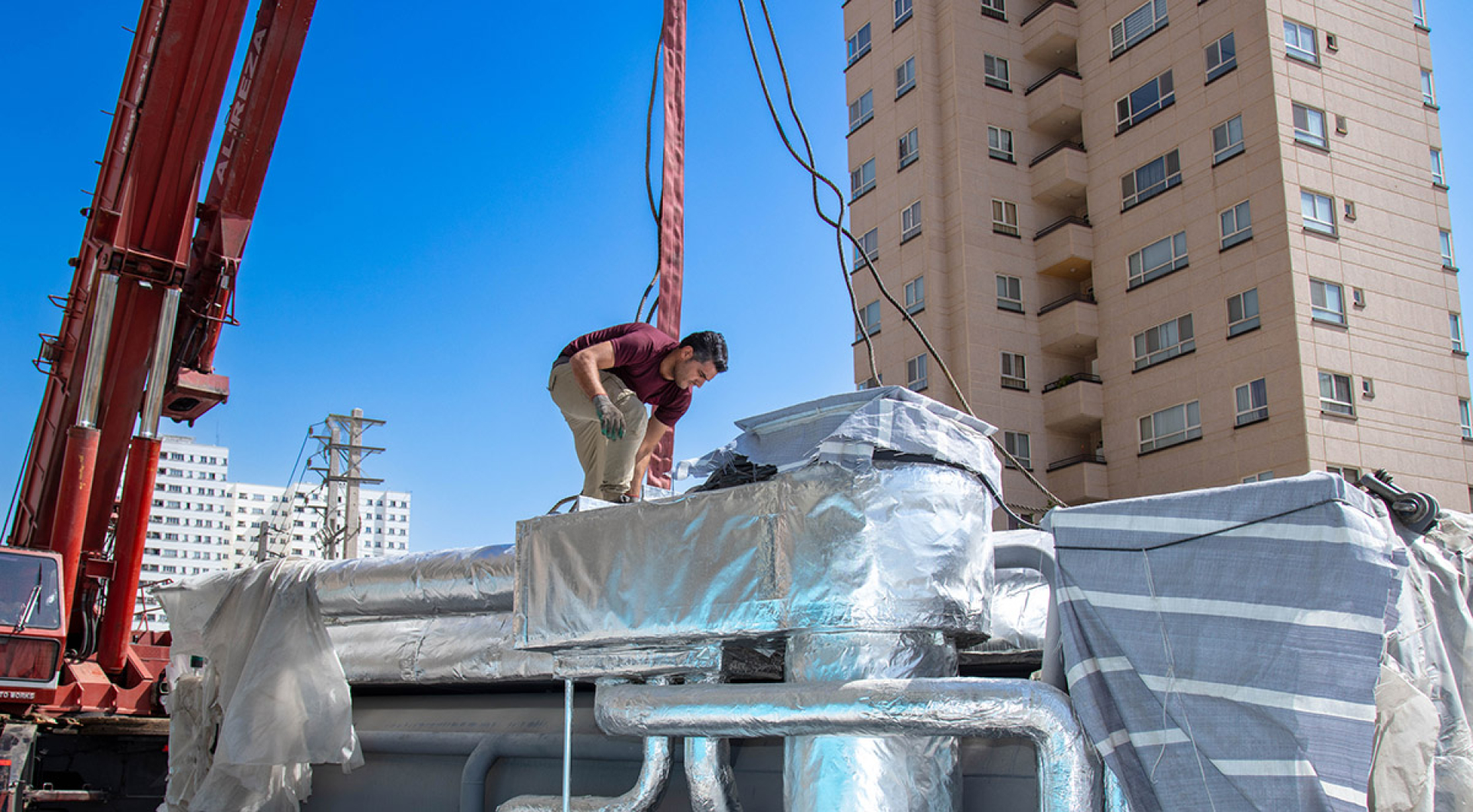
HVAC Equipment Weight and Size
Modern HVAC systems vary dramatically in size and weight, from residential units weighing a few hundred pounds to massive commercial chillers that can exceed several tons. This weight consideration is often the primary factor in determining whether crane services are necessary.
Residential HVAC units typically weigh between 200 and 500 pounds, while commercial rooftop units can weigh anywhere from 1,000 to 10,000 pounds or more. Large industrial chillers and cooling towers can weigh significantly more, sometimes reaching 20,000 pounds or beyond. When equipment exceeds what can be safely lifted by manual methods or small hoisting equipment, professional crane services become essential.
The physical dimensions of HVAC equipment also play a crucial role. Even if a unit's weight might be manageable, its size can make maneuvering through tight spaces, doorways, or stairwells impossible. Commercial rooftop units often measure 10 to 20 feet in length and 6 to 8 feet in height, making crane lifting the only viable option for rooftop installation.
Key Indicators Your Project Needs a Crane
Several clear indicators suggest that your HVAC project will require professional crane services. Recognizing these signs early in your planning process helps you budget appropriately and schedule the right resources.
Building Height
If your HVAC equipment needs to be installed on a roof more than one story high, crane services are almost always necessary. While some smaller residential units on two-story buildings might be lifted using alternative methods, anything higher typically requires crane assistance. Commercial buildings with rooftop HVAC installations almost universally need crane services.
Limited Access
When buildings lack adequate access routes such as wide stairwells, service elevators, or loading docks, cranes become the logical solution. Historic buildings, facilities with narrow hallways, or structures with architectural features that block traditional access paths often require crane lifting to get equipment where it needs to go.
Ground Conditions
The area surrounding your building affects equipment delivery and installation. If ground conditions are soft, uneven, or obstructed by landscaping, utilities, or other infrastructure, specialized lifting equipment becomes necessary. Crane operators can position equipment precisely from a distance, avoiding ground-level obstacles that would complicate other installation methods.
Time Constraints
Crane services dramatically reduce installation time compared to alternative methods. If your project operates under tight deadlines or requires minimal disruption to business operations, crane rental offers the fastest, most efficient solution for getting equipment in place.
Types of HVAC Projects That Typically Require Cranes
Certain HVAC projects almost always necessitate crane services due to their inherent complexity and requirements.
Commercial Rooftop Installations
Commercial buildings rely heavily on rooftop HVAC systems, and these installations consistently require crane services. The equipment's size and weight, combined with building heights, make cranes the only practical option. Whether installing new systems or replacing aging equipment, commercial rooftop projects depend on professional crane operators to position units safely and precisely.
Industrial HVAC Systems
Manufacturing facilities, warehouses, and industrial complexes often house massive HVAC systems that handle significant air volumes and extreme temperature requirements. These industrial-grade systems demand specialized lifting equipment and experienced operators who understand the unique challenges of industrial installations.
Multi-Story Building Projects
Any HVAC work on buildings exceeding two stories typically requires crane services. Mid-rise and high-rise buildings present access challenges that only professional lifting equipment can address effectively. From apartment complexes to office towers, multi-story projects rely on crane services for safe, efficient equipment placement.
Equipment Replacement in Tight Urban Settings
Urban environments present unique challenges for HVAC installations. Buildings surrounded by other structures, limited street access, overhead power lines, and pedestrian traffic all complicate equipment delivery and installation. Crane services provide the solution, allowing operators to lift equipment over obstacles and position it precisely despite space constraints.
Read our blog about crane rental logistics and transportation.
Safety Considerations for HVAC Crane Lifts
Safety stands as the paramount concern in any HVAC crane operation. Professional crane services bring the expertise, equipment, and safety protocols necessary to complete installations without incident.
Crane operators must account for overhead obstructions including power lines, tree branches, and neighboring buildings. Electrical hazards pose particular risks during HVAC installations, as equipment must often be lifted near service lines and building electrical systems. Professional crane operators conduct thorough site assessments before beginning any lift, identifying and planning for potential hazards.
Weather conditions significantly impact crane safety. Wind speed restrictions, precipitation concerns, and temperature extremes all factor into lift planning. Experienced crane companies monitor weather conditions closely and postpone operations when conditions exceed safe parameters.
Ground stability and crane positioning require careful evaluation. The crane must be positioned on solid, level ground capable of supporting its weight and the load being lifted. Professional operators assess ground conditions, use outriggers and stabilizers appropriately, and ensure the crane remains stable throughout the entire operation.
Are crane rentals safe? Read our blog on safety considerations here.
Planning Your HVAC Crane Project
Successful HVAC installations involving crane services require careful planning and coordination between multiple parties. Starting this planning process early ensures all necessary resources are available when needed.
Site Assessment Requirements
Before scheduling crane services, conduct a comprehensive site assessment. Document the following information:
- Equipment weight and dimensions
- Installation location coordinates
- Building height
- Available crane setup area
- Ground surface conditions
- Overhead obstructions
- Access routes to and from the setup area
This information helps crane service providers recommend appropriate equipment and develop an effective lift plan.
Coordination with Other Trades
HVAC installations typically involve multiple contractors including HVAC technicians, electricians, roofers, and structural engineers. Coordinate schedules carefully to ensure all necessary parties are present during the crane operation. The crane window represents a limited timeframe, so having all trades ready maximizes efficiency and minimizes rental costs.
Obtaining Necessary Permits
Many municipalities require permits for crane operations, particularly in urban areas or near public rights-of-way. Research local requirements early and submit permit applications well in advance of your scheduled installation date. Professional crane companies often assist with permit requirements and can advise on local regulations.
Scheduling Considerations
HVAC crane operations work best during favorable weather conditions and during times that minimize disruption. Consider scheduling installations during off-peak business hours if the building remains occupied. Allow flexibility in your timeline to accommodate weather delays or unexpected complications.
Crane Rental Costs for HVAC Projects
The cost of crane rental for HVAC projects varies based on several factors, and understanding these variables helps you budget appropriately.
Equipment size represents a primary cost factor. Smaller projects might require only a modest crane, while larger commercial installations need significant lifting capacity. The crane must be appropriately sized not just for the load weight but also for the reach and height requirements of your specific installation.
Rental duration affects overall costs. Most HVAC installations can be completed within a single day, but complex projects or those requiring multiple equipment lifts might extend into longer rental periods. Hourly, daily, weekly, and monthly rental rates are available depending on project needs.
Additional factors influencing costs include site accessibility, special rigging requirements, required operator expertise, and whether emergency or after-hours services are needed. Geographic location also plays a role, as mobilization costs increase with distance from the crane service provider's base of operations.
Working with Professional Crane Services
Choosing the right crane service provider ensures your HVAC project proceeds smoothly and safely. Look for companies with specific experience in HVAC installations and commercial construction projects.
Professional crane services should include certified operators who hold National Commission for the Certification of Crane Operators (NCCCO) certification. Qualified riggers and signal persons are equally important, as these team members ensure loads are properly secured and communication remains clear throughout the operation.
The crane company should provide comprehensive pre-lift planning, including site visits, load calculations, and risk assessments. They should also carry appropriate insurance coverage and maintain excellent safety records, demonstrated through favorable Experience Modification Rate (EMR) and Total Recordable Incident Rate (TRIR) ratings.
Frequently Asked Questions
How far in advance should I schedule crane services for my HVAC project?
Schedule crane services as early as possible, ideally several weeks before your planned installation date. This advance notice allows the crane company to reserve appropriate equipment, conduct site assessments, and coordinate scheduling. During busy construction seasons, earlier booking becomes even more critical to ensure availability.
Can smaller residential HVAC units be installed without a crane?
Some smaller residential units on single-story or low two-story buildings can potentially be installed using alternative methods such as scaffolding or specialized hoisting equipment. However, safety, efficiency, and potential damage to landscaping or property often make crane services the better choice even for residential projects. Consult with both your HVAC contractor and a crane service provider to determine the best approach for your specific situation.
What happens if weather delays my scheduled crane operation?
Reputable crane companies maintain strict safety protocols regarding weather conditions and will postpone operations when conditions exceed safe parameters. Flexible scheduling and weather contingency plans should be built into your project timeline. Most crane services work with clients to reschedule promptly once conditions improve, minimizing overall project delays.
Do I need special insurance for crane operations on my property?
While professional crane companies carry their own comprehensive insurance, property owners should verify their coverage and may want to add specific provisions for construction activities. Consult with your insurance provider about any additional coverage needs for your HVAC installation project. Professional crane companies can provide certificates of insurance documenting their coverage for your records.
How long does a typical HVAC crane installation take?
Most rooftop HVAC installations using crane services can be completed within a few hours once the crane is set up and the equipment is ready. Simple replacements might take two to four hours total crane time, while complex installations involving multiple units or additional structural work might require a full day. Your crane service provider can give you a more specific timeline based on your project details after conducting a site assessment.
Conclusion
Determining whether your HVAC project requires crane services depends on multiple factors including equipment size and weight, building height, site access, and safety considerations. While not every HVAC installation needs a crane, many commercial projects, multi-story installations, and situations with limited access make crane services not just helpful but essential.
If you're planning an HVAC project and wondering whether crane services are necessary, contact us for a free on-site evaluation. Our team will assess your specific situation, provide expert recommendations, and develop a comprehensive lift plan that ensures your project proceeds safely and efficiently. With certified operators, well-maintained equipment, and a commitment to safety that's earned us outstanding safety ratings, we're ready to support your HVAC installation from planning through completion.