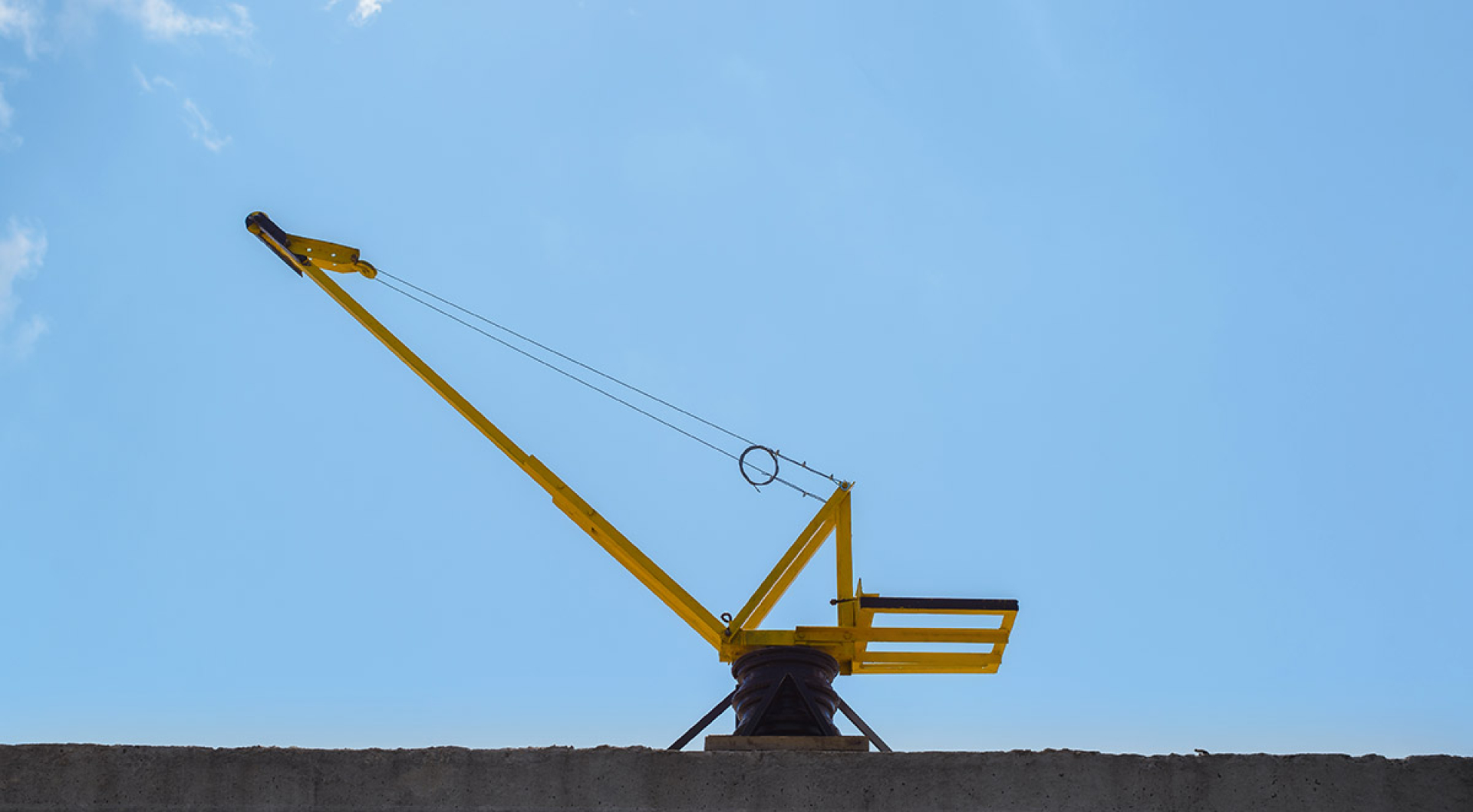
Preventative maintenance identifies potential problems before they cause breakdowns, keeps equipment in compliance with safety regulations, and extends the operational life of expensive machinery. For crane rental companies, robust maintenance programs directly translate to safer job sites and more successful projects for customers.
The Foundation of Crane Maintenance Programs
Manufacturer Specifications and Industry Standards
Every crane manufacturer provides detailed maintenance schedules based on operating hours, calendar time, and specific usage conditions. These specifications form the baseline for any maintenance program, outlining when various components need inspection, adjustment, or replacement. Following manufacturer guidelines isn't just good practice—it's often required to maintain warranties and meet insurance requirements.
Industry standards add another layer of requirements to manufacturer specifications. Organizations like OSHA and MSHA establish minimum safety standards that crane operators and equipment owners must follow. The Specialized Carriers & Rigging Association provides additional guidance through industry best practices developed by experienced professionals.
At Parker's Crane Service, our maintenance protocols meet or exceed all manufacturer specifications and industry standards. Our OSHA and MSHA qualified personnel understand the regulatory landscape and ensure our fleet remains fully compliant. Are crane rentals safe? Read our blog here.
Documentation and Record Keeping
Comprehensive maintenance records form the backbone of any effective preventative maintenance program. These records track every inspection, repair, and service performed on each piece of equipment throughout its operational life. Maintenance histories reveal patterns that help predict future needs, allowing teams to schedule proactive replacements before failures occur.
Daily Pre-Operational Inspections
Operator Responsibilities
Before any crane begins work, the operator must conduct a thorough pre-operational inspection. This critical safety check identifies obvious problems that could affect safe operation during the day's work. NCCCO certified operators understand that this inspection represents their first line of defense against equipment failures and accidents.
The daily inspection covers numerous systems and components:
- Fluid levels including hydraulic oil, engine oil, and coolant
- Visible hydraulic hoses and fittings for leaks or damage
- Tire conditions, outriggers, and stabilizers for obvious defects
- Control systems tested to ensure proper function
- Wire rope examined for broken wires, kinks, crushing, or other damage
Any deficiencies identified during pre-operational checks must be addressed before the crane enters service. Minor issues might be corrected immediately, while more serious problems require maintenance intervention.
Critical Safety Systems
Certain crane systems receive special attention during daily inspections because their failure could lead to serious accidents. Load moment indicators and other safety devices must function correctly to prevent crane overloading. These systems provide critical feedback to operators about crane capacity in various configurations.
Emergency systems including brakes, lights, and backup alarms all receive functional testing. These components become vitally important during emergency situations, and ensuring they work properly before operations begin eliminates unpleasant surprises.
Scheduled Maintenance Intervals
Monthly Service Requirements
Beyond daily inspections, rental cranes undergo more detailed examinations at regular intervals. Monthly maintenance typically involves more thorough inspections of systems that don't require daily attention. Technicians examine components that might show wear patterns over weeks of operation.
Hydraulic systems receive detailed inspection during monthly service. Technicians check fluid conditions, look for contamination, and examine filters for signs of system problems. They inspect hydraulic cylinders for leaks or damage and verify that all hydraulic functions operate smoothly. Small hydraulic problems caught early prevent major failures later.
Electrical systems get similar attention during monthly inspections. Battery conditions, charging systems, and electrical connections all undergo examination. Loose connections can cause intermittent problems, while corroded terminals reduce system reliability.
Quarterly and Annual Inspections
More comprehensive inspections occur at longer intervals, typically quarterly or annually depending on the specific component and usage patterns. These inspections often involve partial disassembly to examine components that aren't visible during routine checks.
Major inspection activities include:
- Structural examinations of boom, frame, and load-bearing components
- Non-destructive testing to reveal hidden defects in critical elements
- Load testing to verify crane capacity hasn't degraded
- Detailed wire rope inspection with diameter measurements
- Calibration checks on boom angle and length indicators
These thorough inspections provide concrete evidence of equipment capability and help identify developing problems before they affect safe operation.
Component-Specific Maintenance
Engine and Power Systems
The engine provides power for all crane operations, making its reliability absolutely critical. Engine maintenance follows manufacturer specifications for oil changes, filter replacements, and other routine services. Diesel engines, common in hydraulic truck cranes, require attention to fuel system cleanliness and regular fuel filter changes.
Cooling systems need periodic service to maintain proper engine temperatures. Coolant degrades over time and requires replacement at specified intervals. Radiators and cooling fans must remain clean and functional to dissipate heat effectively.
Hydraulic System Maintenance
Hydraulic systems translate engine power into the precise movements that make cranes useful. These systems operate under high pressure and demand clean fluid to function reliably. Contamination represents the primary enemy of hydraulic systems, causing accelerated wear and component failures.
Key hydraulic maintenance tasks include:
- Regular fluid changes based on operating hours and fluid condition
- Filter element replacement determined by operating hours and pressure differential
- Inspection of hoses, fittings, and seals for leaks or degradation
- Fluid analysis to detect excessive wear metals or contamination
- Cleaning of reservoirs and system components
Regular fluid analysis can reveal developing problems, allowing maintenance teams to address issues before major failures occur.
Wire Rope and Rigging Equipment
Wire rope endures tremendous forces during crane operations and requires careful maintenance attention. Beyond daily visual inspections, rope undergoes detailed examination at regular intervals. Technicians measure rope diameter to detect wear and check for internal damage that might not be visible externally.
Proper lubrication extends wire rope life significantly. Rope lubricants protect against corrosion, reduce friction between individual wires, and help prevent premature wear. Application methods and lubrication intervals depend on the specific rope construction and operating environment.
Maintenance for Hydraulic Truck Cranes
Unique Requirements
Hydraulic truck cranes like those in Parker's Crane Service fleet combine mobile equipment and lifting machinery in a single package. This dual nature creates unique maintenance requirements that address both the vehicle and crane components. The truck chassis needs regular attention to steering, suspension, brakes, and tires. Read our blog on the different types of mobile cranes.
Outriggers and stabilizers deserve special attention on truck-mounted cranes. These systems provide the stable platform necessary for safe lifting operations. Hydraulic cylinders, pads, and mounting points all require regular inspection. Float valves that prevent outrigger settling under load must function correctly to maintain safe operation.
Boom and Extension Systems
Telescoping booms contain complex mechanisms that allow sections to extend and retract smoothly. Wear pads prevent metal-to-metal contact between boom sections while allowing smooth extension. These pads wear gradually and require periodic replacement to maintain proper boom function.
Boom angle indicators and length indicators provide critical information to operators about crane configuration. These systems require calibration to ensure accuracy. Incorrect readings can lead operators to exceed safe capacity limits, creating dangerous situations.
Environmental Considerations
Operating Conditions Impact
Cranes working in harsh environments face accelerated wear and require adjusted maintenance schedules. Dusty conditions increase air filter replacement frequency and demand more attention to keeping equipment clean. Marine environments introduce corrosion challenges that affect numerous crane components. Extreme temperatures affect both equipment and fluids, requiring appropriate selections and adjusted service intervals.
Proper Storage Between Rentals
When cranes return from rental projects, proper storage procedures protect them until the next assignment. Cleaning removes dirt and contaminants that could cause corrosion or hide damage. Thorough inspections identify any damage that occurred during the rental period, ensuring repairs happen before the crane goes back into service.
Fluid levels receive attention, and contaminated fluids get changed immediately. Batteries may be disconnected or placed on maintenance chargers. Boom sections typically store in the retracted position to protect extension mechanisms and reduce exposure to weather.
The Parker's Crane Service Commitment
Our Maintenance Standards
Parker's Crane Service maintains our fleet to the highest standards in the industry. Our well-maintained, meticulously selected equipment serves customers throughout the Carolinas. Every crane in our fleet undergoes regular inspections and preventative maintenance following manufacturer specifications and industry best practices.
Our maintenance team includes experienced technicians who understand hydraulic truck cranes thoroughly. They recognize the signs of developing problems and address issues before they affect equipment reliability. This proactive approach minimizes unexpected breakdowns and ensures customers receive cranes that perform flawlessly.
Customer Benefits
When you rent from Parker's Crane Service, our maintenance commitment translates directly to benefits for your project. Reliable equipment means your schedule stays on track without unexpected delays. Well-maintained cranes operate more efficiently, completing lifts smoothly and safely. Our NCCCO certified operators arrive with equipment they trust, ready to focus on your project.
Our maintenance programs also support your safety objectives. Equipment failures create dangerous situations on job sites, and our preventative maintenance approach minimizes those risks. If you have specific concerns about a project, contact us to discuss how our equipment and expertise can address your needs.
Frequently Asked Questions
How often do rental cranes undergo safety inspections?
Rental cranes receive daily pre-operational inspections before each use, monthly detailed inspections by qualified personnel, and comprehensive annual inspections that examine structural and safety-critical components. Additional inspections occur any time equipment shows signs of damage or unusual wear.
What happens if a crane develops problems during a rental period?
Professional crane rental companies respond quickly when equipment problems arise during projects. The first priority involves ensuring job site safety by immediately stopping operations if any safety concerns exist. Depending on the nature of the problem, technicians may be able to make field repairs, or the crane may need replacement with similar equipment.
Who is responsible for daily crane inspections on rental equipment?
The crane operator performs daily pre-operational inspections as part of their professional responsibilities. NCCCO certified operators understand this requirement and conduct thorough checks before beginning work each day. These operator inspections complement the rental company's maintenance program.
How does preventative maintenance affect crane rental costs?
Well-maintained equipment actually helps control rental costs over time by reducing unexpected breakdowns, extending equipment life, and maintaining resale value. While maintenance programs require investment, these costs remain significantly lower than dealing with major failures. Quality rental companies build reasonable maintenance costs into their pricing while delivering superior reliability.
Conclusion
Preventative maintenance protocols represent the foundation of safe, reliable crane rental operations. From daily pre-operational checks through comprehensive annual inspections, these programs identify potential problems before they cause failures or safety incidents. Understanding these maintenance commitments helps you recognize quality crane service providers.
Contact us for your next project. Parker's Crane Service brings over 40 years of experience and a genuine commitment to equipment excellence to every rental project. Our maintenance programs ensure our fleet remains ready to serve your needs with the reliability and safety you deserve.