Quick Summary
- Mobile cranes deliver higher lifting capacity, greater reach, and the ability to handle complex or heavy lifts on challenging job sites.
- Boom trucks are smaller, faster to set up, and well suited to lighter, repetitive lifts where speed and mobility matter most.
- Capacity, reach, ground conditions, and the number of lifts all influence which machine is the better fit.
- Renting gives you access to well-maintained equipment, certified operators, and expert lift planning without the burden of ownership.
- Parker's Crane Service offers a fleet of mobile and truck-mounted cranes backed by certified operators and free onsite quotes across the Carolinas.
Understanding the Two Machines
Before comparing benefits, it helps to define each piece of equipment clearly. The terms get used loosely, so a quick overview keeps everyone on the same page.
What Is a Mobile Crane?
A mobile crane is a self-propelled lifting machine designed to travel to a job site, stabilize on outriggers, and perform heavy or high lifts. These cranes are engineered for capacity and reach, with telescoping booms that extend well beyond what smaller equipment can manage. All-terrain models combine highway travel with off-road capability, which makes them a strong choice for sites with rough or uneven ground.
To put the scale in perspective, the Grove GMK5150L in the Parker's Crane fleet offers a maximum capacity of 175 US tons, a main boom length of 197 feet, and a maximum tip height of 318.2 feet. That kind of range opens up work that a smaller machine simply cannot reach.
What Is a Boom Truck?
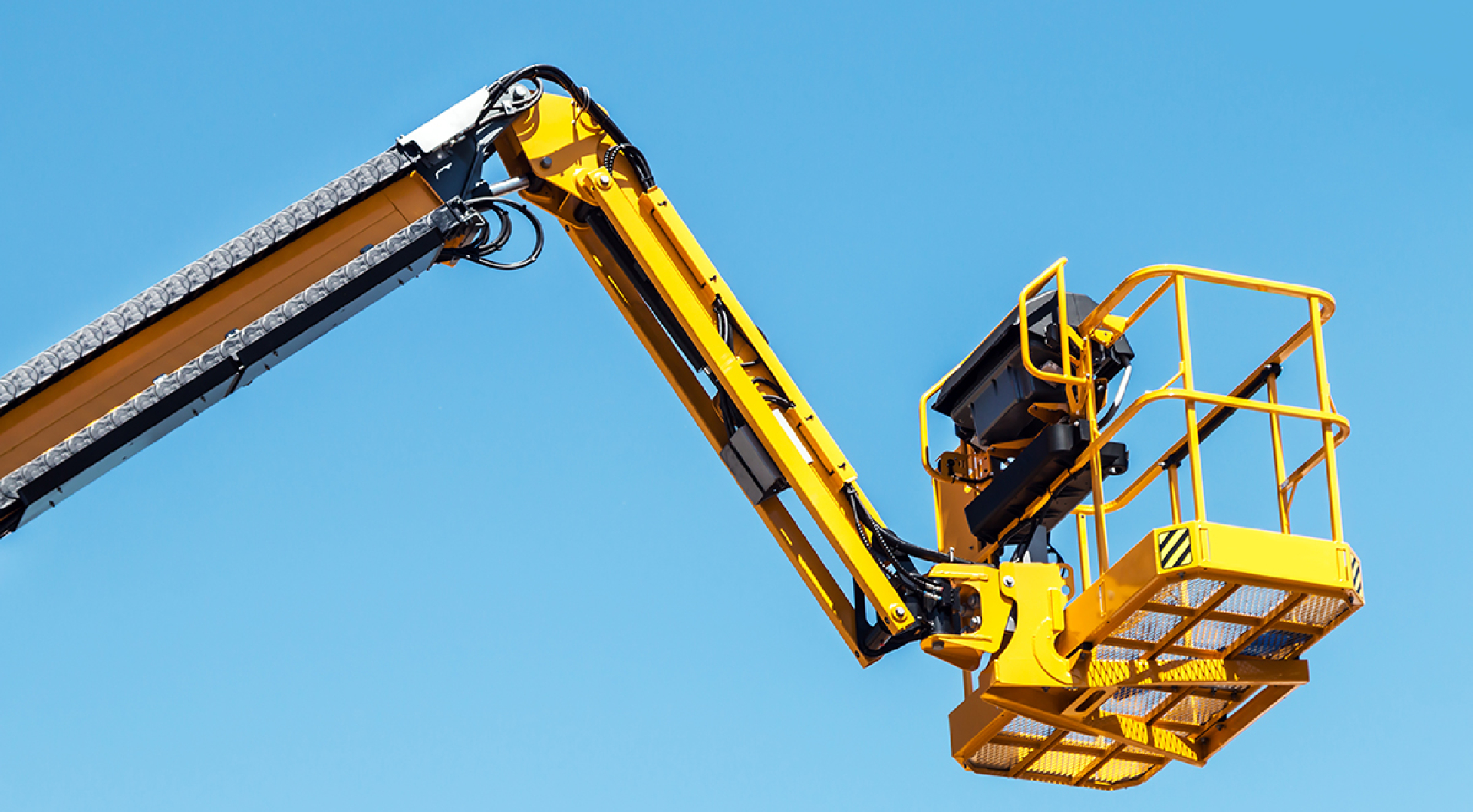
A boom truck is a crane mounted on a commercial truck chassis. Because the crane and the vehicle are integrated, a boom truck can drive directly onto a site, complete a lift, and move to the next location with minimal setup. This design favors speed and convenience over raw lifting power.
Boom trucks generally handle lighter loads and shorter reaches than full mobile cranes. They shine on jobs that involve loading and unloading materials, placing equipment at moderate heights, or repeating similar lifts across multiple stops in a single day.
Key Differences at a Glance
The fastest way to understand these machines is to compare them side by side. Here are the factors that most often separate them:
- Lifting capacity: Mobile cranes lift significantly heavier loads, while boom trucks are built for lighter work.
- Reach and height: Mobile cranes extend higher and farther, making them suited to tall or distant lifts.
- Setup time: Boom trucks deploy quickly, while mobile cranes require more deliberate positioning and stabilization.
- Mobility between lifts: Boom trucks move easily from point to point, which benefits jobs with many small lifts.
- Ground requirements: Mobile cranes, especially all-terrain models, handle difficult and uneven terrain well.
- Job complexity: Mobile cranes are the better choice when a lift demands precision, height, or substantial weight.
Neither machine is universally better. The right answer depends entirely on what you need to lift, how high, and under what conditions.
The Benefits of Renting a Mobile Crane
When a project calls for serious lifting power, a mobile crane is often the clear choice. Here is why so many industrial, commercial, and telecommunication projects rely on them:
- Greater lifting capacity. Mobile cranes manage heavy loads that exceed the limits of smaller equipment, which makes them essential for industrial sets, structural work, and large installations.
- Extended reach and height. With long telescoping booms, mobile cranes place loads at heights and distances that smaller machines cannot match, a real advantage for tall structures and lifts over obstacles.
- Strong performance on tough terrain. All-terrain mobile cranes travel and stabilize on uneven or unimproved ground, which is valuable on quarry sites, plant grounds, and rural locations.
- Versatility across project types. A single mobile crane can support a wide range of work, from HVAC and equipment sets to cell towers, generators, and concrete wall placement.
- Precision for complex lifts. When a lift requires careful control and an engineered plan, the stability and capacity of a mobile crane provide the margin of safety that demanding work requires.
For projects in sectors like power, manufacturing, telecommunications, and municipal infrastructure, the capabilities of a mobile crane frequently justify the additional setup and planning involved. Read our blog about crane rental logistics and transportation.
The Benefits of Renting a Boom Truck
A boom truck earns its place on plenty of job sites, particularly where speed and flexibility outweigh the need for heavy capacity. Its advantages include:
- Fast setup and breakdown. Because the crane is built into the truck, a boom truck can arrive, lift, and leave with very little staging time.
- Easy movement between lifts. When a job involves several smaller lifts spread across a property or multiple stops, a boom truck travels between them efficiently.
- A smaller footprint. Boom trucks fit into tighter spaces and congested sites where a larger crane would struggle to position.
- Cost efficiency for lighter work. For jobs that do not require heavy capacity or extreme reach, a boom truck can be a practical and economical solution.
- Convenient material handling. Loading, unloading, and placing materials at moderate heights are exactly the kind of tasks boom trucks handle well.
In short, a boom truck is often the smart pick when your loads are manageable, your reach requirements are modest, and you value quick, repeatable mobility.
How to Choose the Right Equipment for Your Job
The decision becomes much easier once you assess the specifics of your lift. Before reaching out for a quote, it helps to gather a few key details:
- Load weight: How heavy is the heaviest item you need to lift?
- Lift height and reach: How high and how far does the load need to travel?
- Site conditions: Is the ground firm and level, or rough and uneven?
- Overhead obstructions: Are there power lines, structures, or other obstacles in the lift path?
- Setup area: How much space is available to position the equipment and extend outriggers?
- Number of lifts: Is this a single major lift or many smaller ones?
When the answers point toward heavy loads, significant height, or difficult terrain, a mobile crane is usually the right call. When they point toward lighter loads, quick mobility, and tighter spaces, a boom truck may serve you better. If you are unsure, an experienced crane provider can evaluate your needs and recommend the safest, most efficient option. You can always reach out through our contact page to talk through the specifics of your project.
Why Renting Makes Sense
Whether you lean toward a mobile crane or a boom truck, renting offers clear advantages over buying. Crane ownership ties up capital, demands ongoing maintenance, and requires certified operators on your payroll. Renting removes those burdens while giving you access to the exact equipment a job calls for.
A quality rental partner brings more than a machine. You gain certified operators, professional rigging and signaling, lift planning, and the flexibility to scale up or down as your projects change. For most contractors and project managers, that combination of expertise and flexibility delivers far better value than owning equipment that may sit idle between jobs.
Why Work With Parker's Crane Service
Parker's Crane Service is a family owned and operated business that has served the Carolinas and the East Coast for more than 40 years. We provide crane rental, custom rigging, and heavy hauling for industrial, commercial, residential, power, and telecommunication projects, and we hold our fleet and our crews to high safety standards.
Our fleet includes both mobile and truck-mounted cranes, so we can match the right machine to the demands of your lift rather than forcing a job to fit a single type of equipment. When you rent with us, you can count on:
- NCCCO certified operators along with qualified riggers and signal persons
- OSHA and MSHA qualified personnel
- Free onsite quotes and evaluations
- Lift plans tailored to your project
- Crane erection and dismantling crews
- Hourly, daily, weekly, or monthly rates upon request
- 24/7 emergency service
We operate under a Zero Accident Philosophy, performing pre-lift job assessments, daily risk assessments, on-site hazard analyses, and routine management audits. From our base in Concord, North Carolina, we serve communities across both Carolinas, including Charlotte, Winston-Salem, Asheville, Boone, Raleigh, Spartanburg, and Columbia. For more, read our blog about crane rental safety.
Frequently Asked Questions
What is the main difference between a mobile crane and a boom truck?
A mobile crane is a dedicated lifting machine built for heavy loads, long reach, and tall lifts, while a boom truck is a crane mounted on a truck chassis that favors fast setup and easy movement for lighter work. The mobile crane prioritizes capacity and reach, and the boom truck prioritizes speed and mobility.
Which is better for a heavy industrial lift?
For heavy industrial lifts, equipment sets, and tall installations, a mobile crane is almost always the better choice because it offers the capacity and reach that demanding projects require. A boom truck is better reserved for lighter loads and shorter reaches.
Do I need a certified operator to run the crane?
Yes. Crane operation requires trained, certified personnel for both safety and compliance. When you rent through Parker's Crane Service, our NCCCO certified operators, qualified riggers, and signal persons handle the lift for you.
How do I know which crane my project needs?
Start by identifying your load weight, required lift height and reach, site conditions, and the number of lifts involved. If you are unsure, the safest approach is to request a free onsite evaluation so an experienced provider can recommend the right equipment for your specific job.
Does Parker's Crane Service offer emergency crane rental?
Yes. We provide 24/7 emergency service for situations that cannot wait, in addition to scheduled hourly, daily, weekly, and monthly rentals.
Conclusion
Mobile cranes and boom trucks each have a place on the job site, and the smartest decision comes from matching the machine to the work in front of you. When your project calls for heavy capacity, long reach, or challenging terrain, a mobile crane delivers the power and precision you need. When speed, mobility, and lighter loads define the job, a boom truck can be the more practical and efficient choice.
The good news is that you do not have to make this call alone. With more than 40 years of experience and a fleet built to handle a wide range of lifts, Parker's Crane Service can help you choose the right equipment and execute it safely. Reach out through our contact page for a free onsite quote and let us put the right crane to work for your next project.