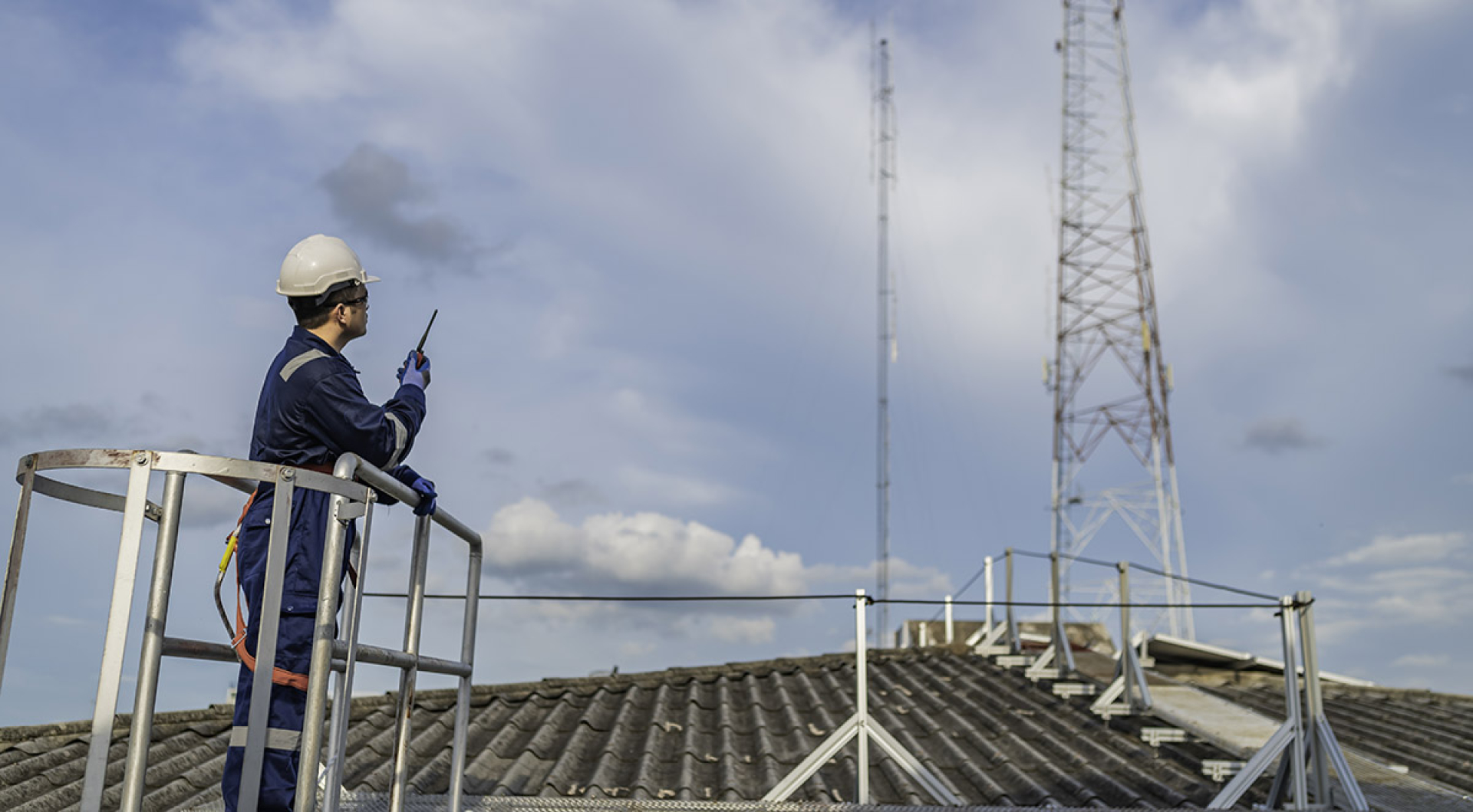
Cell Tower Maintenance Needs
Cell towers face constant exposure to the elements, making regular maintenance a necessity. Wind, rain, ice, and temperature fluctuations all take their toll on these structures over time. Components need inspection, repair, or replacement to maintain signal quality and structural integrity. The challenge lies in accessing equipment that sits hundreds of feet in the air, which is where professional crane services become indispensable.
Maintenance projects vary widely in scope. You might need to replace aging antennas, upgrade transmission equipment for 5G capabilities, or perform structural repairs on the tower itself. Each scenario demands specific rigging configurations and careful planning to execute safely. The complexity increases when you consider that most cell towers remain operational during maintenance, requiring precision work that minimizes service disruptions.
Essential Rigging Components for Cell Tower Work
Crane Selection and Specifications
The foundation of any successful cell tower maintenance project starts with selecting the appropriate crane. Hydraulic truck cranes offer the mobility and lifting capacity needed for most tower work. These machines combine powerful lifting capabilities with the flexibility to position precisely in tight spaces often found at cell tower sites.
For cell tower maintenance, several factors influence crane selection:
- Load capacity requirements based on the heaviest component being lifted
- Boom length needed to reach working heights safely
- Site accessibility and ground conditions
- Proximity to overhead power lines or other obstructions
At Parker's Crane Service, our fleet includes specialized hydraulic truck cranes designed for precisely this type of work. Our Grove models provide the reach and capacity necessary for most cell tower projects, with maximum tip heights extending well over 200 feet when properly configured. Read more about mobile vs. tower crane rentals here.
Parker's Crane Service maintains a diverse fleet of mobile cranes specifically suited for telecommunications work.
Rigging Hardware and Attachments
Beyond the crane itself, proper rigging hardware forms the critical link between the crane and the load. This equipment must meet strict safety standards and undergo regular inspection to ensure reliability. The rigging package for cell tower work typically includes several key components.
Wire rope slings provide the primary connection points for most loads. These slings come in various configurations, with choker, basket, and vertical hitches serving different purposes depending on the load geometry. Synthetic slings offer advantages in certain situations, particularly when working with sensitive electronic equipment that could be damaged by metal-to-metal contact. In addition, shackles, links, and other connecting hardware must be properly rated for the loads they'll carry.
Specialized Equipment for Tower Components
Cell tower components present unique rigging challenges. Antennas often have awkward shapes that require custom rigging solutions. Transmission equipment may be sensitive to tilting or shock, demanding extra care during lifting operations. Heavy equipment shelters or generators need stable rigging that distributes weight evenly.
Spreader bars and lifting beams help manage these challenges by providing multiple attachment points and controlling load orientation. When lifting long antennas or similar components, these tools prevent the load from swinging or rotating unpredictably. They also reduce stress on individual rigging points by distributing forces more evenly.
Planning Your Cell Tower Maintenance Project
Site Assessment and Access Considerations
Before any crane arrives on site, thorough planning sets the stage for success. Site conditions vary dramatically between tower locations, and each presents its own set of challenges. Rural towers might offer plenty of space but difficult access roads. Urban towers could have excellent access but limited space for crane setup and operation.
Ground conditions deserve careful attention. The crane needs stable, level ground to operate safely, and soft or uneven terrain may require additional preparation. Outrigger pads or mats might be necessary to distribute the crane's weight and prevent settling during operation. Your crane service provider should conduct a site visit to evaluate these conditions and develop an appropriate setup plan.
Overhead and surrounding obstacles require mapping before work begins. Power lines pose particular hazards, and maintaining safe clearances is absolutely critical. Other structures, trees, or guy wires may limit crane positioning or boom movement. Identifying these constraints early allows the team to develop work plans that maintain safety margins throughout the operation.
Load Calculations and Lift Planning
Accurate load calculations form the foundation of safe crane operations. You need to know not just the weight of components being lifted, but also account for rigging hardware, any tools or equipment attached to the load, and dynamic forces during lifting. Underestimating loads or overestimating crane capacity creates dangerous situations that professional crane services work diligently to avoid.
A detailed lift plan documents how the work will proceed. This plan should include:
- Specific crane positioning and setup requirements
- Load weights and rigging configurations for each lift
- Boom angles and extensions needed throughout the operation
- Communication protocols between ground crew and crane operator
- Emergency procedures and contingency plans
Professional crane services develop these plans based on years of experience and industry best practices. At Parker's Crane Service, our NCCCO certified operators and qualified riggers work together to create comprehensive lift plans that address every aspect of your project.
Personnel and Safety Requirements
Cell tower maintenance demands qualified personnel at every level. Crane operators must hold appropriate certifications and have specific experience with the type of work being performed. Riggers and signal persons need training in proper techniques and clear communication protocols. Even ground crew members require safety training relevant to crane operations.
Safety procedures govern every aspect of the work. Pre-lift meetings ensure everyone understands their role and the day's plan. Regular equipment inspections catch potential problems before they become hazards. Clear communication channels, often using radio systems and standardized hand signals, keep everyone coordinated throughout complex lifts.
Fall protection systems protect workers who must climb the tower itself. Rescue plans address what happens if someone becomes injured or incapacitated at height. Weather monitoring ensures operations stop if conditions become unsafe. These layers of safety planning create the environment where challenging work can proceed with acceptable risk levels.
Working with Professional Crane Services
The Value of Experience
Cell tower work requires specialized knowledge that comes from repeated exposure to these unique projects. Experienced crane services understand the specific requirements of telecommunications work, from the equipment involved to the safety standards that govern the industry. This expertise translates directly to more efficient operations and better outcomes for your maintenance projects.
Professional operators know how to read load charts for various configurations and understand the factors that affect crane capacity. They recognize when weather conditions make work unsafe and won't hesitate to delay operations when necessary. Qualified riggers select appropriate hardware and hitches for each lift, ensuring loads remain secure throughout the operation. Read our blog post all about the costs of crane rental here.
Coordination and Communication
Successful cell tower maintenance requires seamless coordination between multiple parties. The cellular carrier or tower owner provides access and operational requirements. Engineering teams may need to be on-site for testing and commissioning. Crane services must work alongside these groups while maintaining focus on safe lifting operations.
Clear communication protocols prevent misunderstandings that could lead to accidents or equipment damage. Pre-job meetings establish expectations and clarify roles. Regular check-ins during operations ensure everyone stays informed as work progresses. This collaborative approach creates the environment where complex projects proceed smoothly.
Regulatory Compliance and Industry Standards
Cell tower work falls under various regulatory frameworks that establish minimum safety requirements. OSHA standards govern crane operations, rigging practices, and fall protection systems. The telecommunications industry adds its own requirements through carrier specifications and industry best practices. Professional crane services stay current with these evolving standards and ensure their operations remain compliant.
Proper documentation supports regulatory compliance and provides records for future reference. Load calculations, inspection reports, and operator certifications should all be readily available. Insurance requirements often mandate specific coverage levels and may require certificates of insurance before work begins. Partnering with an established crane service ensures these administrative details receive proper attention alongside the physical work.
Planning Your Next Cell Tower Maintenance Project
When cell tower maintenance needs arise, early planning pays dividends. Reach out to discuss your project well before work needs to begin. This conversation should cover the scope of work, site conditions, timeline requirements, and any special considerations that might affect the project.
Experienced crane services can provide valuable input during the planning phase. We can suggest rigging approaches that improve efficiency, identify potential complications before they arise, and help develop realistic schedules. This collaborative planning process sets projects up for success from the beginning.
Frequently Asked Questions
How much does it cost to rent a crane for cell tower maintenance?
Crane rental costs vary based on the specific equipment needed, project duration, and site conditions. Factors include the crane size required to reach working heights, whether the project needs just a few hours or multiple days, and any special rigging or equipment requirements. The best approach is to contact a crane service provider directly with details about your project for an accurate quote that considers all relevant factors.
How far will crane services travel for cell tower work?
Service areas vary by provider based on their equipment fleet and operational capabilities. At Parker's Crane Service, we regularly serve projects throughout the Carolinas and work within approximately 150 miles of our Concord, North Carolina location. This range covers major cities including Raleigh, Asheville, Columbia, and surrounding areas where cell tower infrastructure requires regular maintenance and upgrades.
What qualifications should crane operators have for cell tower work?
Cell tower maintenance demands crane operators with NCCCO certification, which demonstrates competency in crane operation through written and practical examinations. Beyond certification, operators should have specific experience with the type of lifting operations common in telecommunications work. Qualified riggers and signal persons are equally important, as they handle the critical tasks of securing loads and directing crane movements during operations.
Can crane services work on cell towers while they remain operational?
Many cell tower maintenance projects proceed while the tower continues operating, though this requires careful planning to avoid service disruptions. Crane services coordinate with carriers to schedule work during low-traffic periods when brief outages cause minimal impact. The specific approach depends on what equipment needs maintenance and whether the carrier can temporarily shift traffic to other towers in the area.
Conclusion
Cell tower maintenance demands specialized crane rigging knowledge, proper equipment, and experienced personnel who understand the unique requirements of telecommunications infrastructure. From selecting appropriate cranes and rigging hardware to developing comprehensive lift plans and executing operations safely, every aspect of these projects requires careful attention to detail.
Whether you're planning routine antenna upgrades, equipment replacements, or responding to storm damage, partnering with a professional crane service ensures your project proceeds efficiently while maintaining the highest safety standards. With over 40 years of experience serving the Carolinas, Parker's Crane Service brings the expertise and equipment needed to handle cell tower maintenance projects of any scope. Contact us for your next Cell Tower project.