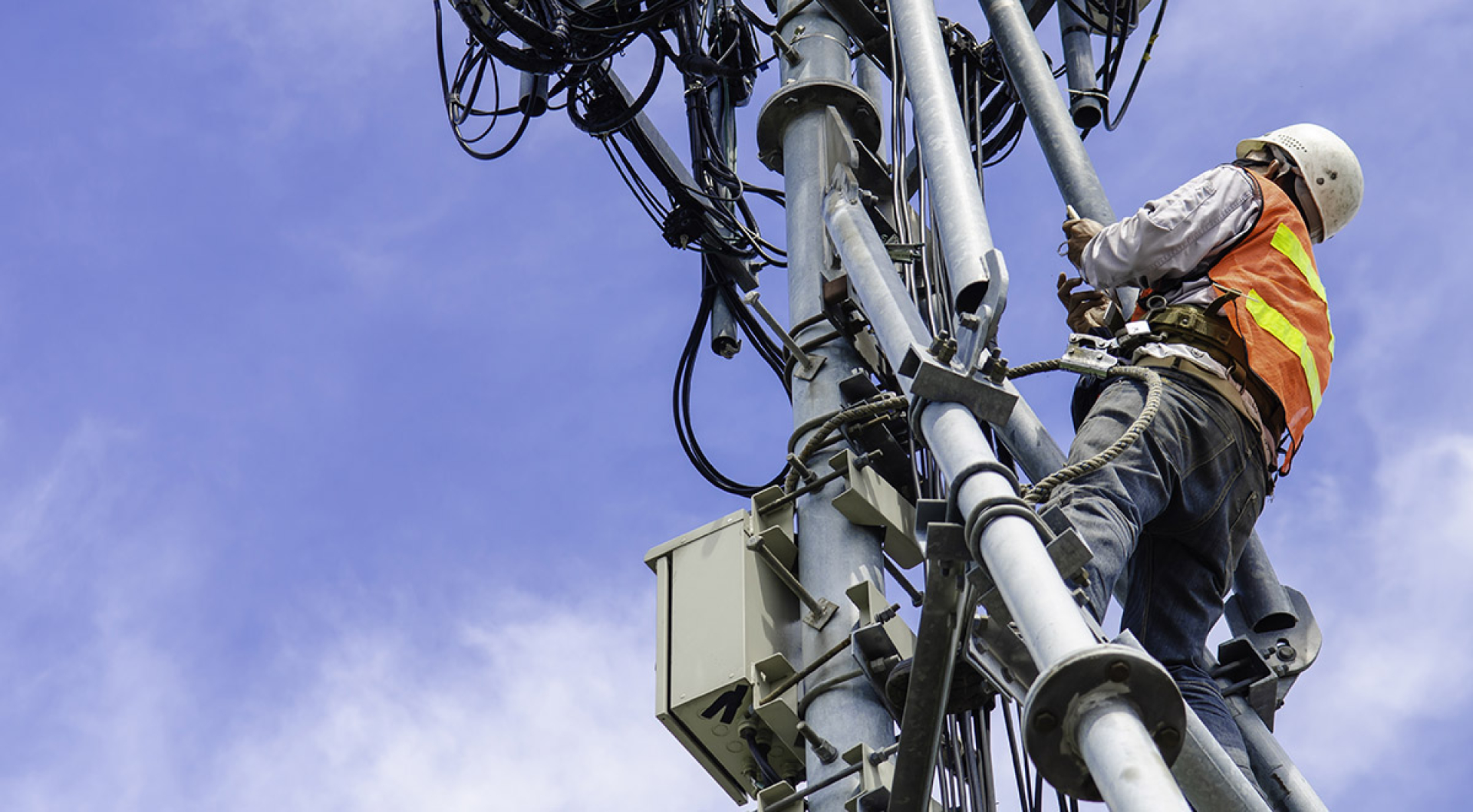
Cell Tower Maintenance Requirements
Cell towers require regular maintenance to ensure structural integrity, equipment functionality, and compliance with Federal Communications Commission (FCC) and Federal Aviation Administration (FAA) regulations. The frequency and scope of maintenance vary significantly based on tower characteristics and environmental factors.
Most cell towers undergo routine inspections at least annually, though many operators schedule inspections more frequently. These inspections identify potential issues before they become serious problems, but not all maintenance activities require crane services. Understanding which tasks need professional lifting equipment helps you plan and budget appropriately.
Crane requirements for cell tower maintenance typically fall into several categories: equipment upgrades and replacements, antenna modifications, structural repairs, and emergency response situations. Each category has its own timing considerations and frequency patterns.
Typical Maintenance Cycles for Cell Towers
The maintenance schedule for cell towers follows both predictable patterns and reactive needs based on equipment failures, technology upgrades, and structural concerns.
Annual Inspections and Minor Maintenance
Most cell towers undergo comprehensive annual inspections that assess structural integrity, equipment condition, grounding systems, and overall tower health. While climbing crews can complete many inspection tasks without crane assistance, certain elements may require crane support.
Annual maintenance tasks that might require crane services include:
- Replacing warning lights or beacons
- Conducting detailed structural assessments of upper tower sections
- Performing minor repairs to mounting hardware or feedline supports
- Inspecting and repairing ice shields or radomes
However, many annual inspections can be completed by qualified tower climbers without crane assistance, keeping costs manageable. Read our blog about cell tower maintenance using drones and cranes.
Technology Upgrades and Equipment Replacements
The telecommunications industry evolves rapidly, with new technologies requiring equipment upgrades every few years. The transition from 3G to 4G, the current 5G rollout, and future technological advances all necessitate equipment changes that often require crane services.
Major carrier upgrades typically occur every three to five years as new technologies emerge and network demands increase. These upgrades often involve:
- Installing new antennas and antenna arrays
- Adding remote radio units (RRUs)
- Upgrading microwave dishes for backhaul connections
- Replacing or supplementing existing equipment
- Reconfiguring mounting systems for new technology
Most technology upgrade cycles require crane services due to the size, weight, and precision placement requirements of telecommunications equipment.
Structural Maintenance and Repairs
Cell tower structural maintenance follows a different timeline than equipment upgrades. Steel towers in good condition may go many years between major structural interventions, while towers in harsh environments require more frequent attention.
Major structural work that typically requires crane services might be needed every 10 to 15 years for towers in optimal conditions, or more frequently for towers facing accelerated wear. This work includes:
- Replacing corroded structural members
- Reinforcing tower sections
- Addressing ice or wind damage
- Conducting major repairs to tower foundations or guy wire systems
- Repainting or applying protective coatings
Environmental factors significantly impact structural maintenance frequency. Coastal towers face salt air corrosion, towers in northern climates deal with ice loading stress, and towers in high-wind areas experience additional structural fatigue.
What is the best crane rigging for cell tower maintenance? Read our blog all about it here.
Equipment-Specific Crane Requirements
Different types of cell tower equipment have varying maintenance and replacement cycles that influence crane service needs.
Antennas and Antenna Systems
Cellular antennas typically have operational lifespans of seven to ten years, though technology changes often drive replacement before equipment failure. Antenna arrays are heavy and unwieldy, making crane services essential for safe installation and removal. If your tower hosts multiple carriers, you might need crane services for antenna work every two to three years as different carriers follow their own upgrade schedules.
Microwave Dishes and Backhaul Equipment
Microwave dishes used for tower backhaul connections generally require replacement or upgrades every five to eight years. While smaller dishes might be manageable for climbing crews, larger microwave equipment often necessitates crane assistance, particularly when installing new dishes while removing old equipment simultaneously.
Remote Radio Units and Equipment Shelters
Modern cellular networks increasingly use remote radio units (RRUs) mounted on towers rather than ground-based equipment. These units typically need replacement or upgrades aligned with antenna changes, creating combined crane requirements every three to five years as technology advances.
Small Cell Tower Installation and Maintenance
The telecommunications industry's shift toward 5G networks has introduced small cell installations that supplement traditional macro towers. These installations have different maintenance patterns and crane requirements than conventional cell towers.
Small cell installations on utility poles, building rooftops, and other structures typically require crane services during initial installation. The frequency of crane needs for small cell maintenance is generally lower than traditional towers, as equipment is more accessible and components are lighter. However, when equipment upgrades occur, crane services often remain the safest and most efficient approach.
For tower owners adding small cells to existing infrastructure, you might need crane services for the initial installation and then potentially every five to seven years for technology upgrades, assuming no emergency repairs are required.
Regional Considerations Affecting Maintenance Frequency
Cell towers throughout North Carolina and South Carolina face region-specific challenges that influence maintenance frequency and crane service requirements.
Coastal areas experience accelerated corrosion due to salt air exposure, potentially requiring more frequent structural maintenance and equipment replacement. The combination of humidity and salt creates challenging conditions for both steel structures and electronic equipment, sometimes necessitating crane services every three to five years instead of longer intervals.
Mountain regions present different challenges including ice loading, difficult access conditions, and exposure to severe weather. Towers in these areas might require more frequent structural inspections and repairs, though technology upgrade cycles remain similar to other regions.
Urban towers in cities like Charlotte, Raleigh, and Columbia often face more frequent upgrade requirements due to higher network demands and competitive pressure among carriers to offer the latest technology. Urban locations might see crane services every two to three years for equipment upgrades and modifications.
Safety Considerations and Regulatory Compliance
Cell tower maintenance involving crane operations must comply with Occupational Safety and Health Administration (OSHA) and industry-specific safety standards. These requirements influence both how often you need crane services and how those services must be delivered.
OSHA regulations specifically address crane operations near power lines, overhead obstructions, and in congested areas—all common challenges at cell tower sites. Professional crane companies familiar with telecommunications work understand these requirements and incorporate them into lift planning and execution.
Frequently Asked Questions
What factors increase the frequency of crane needs for my cell tower?
Several factors can increase how often you'll need crane services including tower age and condition, harsh environmental conditions such as coastal salt air or heavy ice loading, hosting multiple carriers with different upgrade schedules, location in areas with rapid technology adoption, and structural vulnerabilities that require ongoing monitoring and repair. Older towers generally require more frequent maintenance and inspection, while towers in challenging environments face accelerated wear requiring more frequent intervention.
Can I reduce crane service frequency through preventive maintenance?
Yes, robust preventive maintenance programs can potentially reduce emergency crane needs and extend intervals between major interventions. Regular climbing inspections, prompt attention to minor issues before they become major problems, proper corrosion prevention and treatment, and maintaining detailed maintenance records all contribute to more predictable crane service requirements. While you can't eliminate crane needs for technology upgrades, you can minimize unplanned emergency crane calls through diligent preventive care.
How much advance notice do crane companies need for cell tower work?
For planned maintenance and upgrades, schedule crane services several weeks in advance whenever possible. This advance notice allows crane companies to reserve appropriate equipment, conduct site assessments, coordinate with other trades, and obtain necessary permits. During busy construction seasons or for specialized equipment, even earlier scheduling becomes important. Emergency situations requiring 24-hour response are different, and having established relationships with crane companies offering emergency services ensures rapid response when critical situations arise.
Do small cell installations require the same maintenance frequency as traditional towers?
Small cell installations generally require less frequent crane-supported maintenance than traditional macro towers. The equipment is more accessible, components are lighter, and structural elements are less complex. However, technology upgrade cycles remain similar, meaning you might need crane services for small cell equipment replacement every five to seven years. Initial installation typically requires crane services, but routine maintenance between upgrades can often be completed without crane assistance.
What's the best time of year to schedule non-emergency tower maintenance requiring cranes?
Spring and fall typically offer the most favorable weather conditions for crane operations in the Carolinas. Summer brings afternoon thunderstorms and extreme heat, while winter can bring ice, high winds, and unpredictable weather. Scheduling major maintenance projects during moderate weather seasons reduces the risk of weather delays and provides safer working conditions. However, balance weather considerations with technology upgrade timelines and carrier requirements, as delaying critical network improvements for optimal weather might not always be practical.
Conclusion
The frequency with which you'll need crane services for cell tower maintenance varies based on numerous factors, but most tower owners should anticipate crane requirements every two to five years for technology upgrades and equipment replacement, with additional needs for structural maintenance every 10 to 15 years depending on tower condition and environmental factors. Emergency situations arise unpredictably, making relationships with responsive crane service providers essential.
At Parker's Crane Service, we've supported cell tower construction and maintenance throughout North Carolina and South Carolina for over four decades. Our experience with telecommunications infrastructure, combined with our fleet of well-maintained cranes and certified operators, makes us a trusted partner for tower owners and facility managers throughout the region.
Contact us to discuss your cell tower maintenance requirements and learn how our crane services can support your telecommunications infrastructure. With 24-hour emergency service availability, certified operators, and a commitment to safety excellence, we're ready to help you maintain reliable tower operations for years to come.